Aluminum Plate About
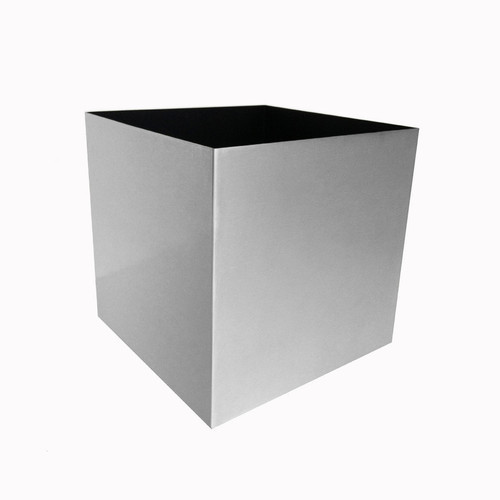
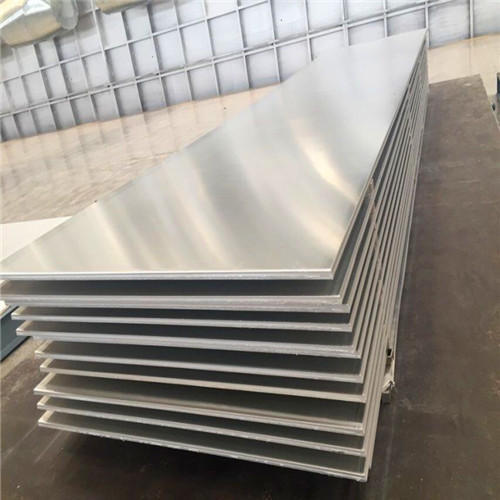
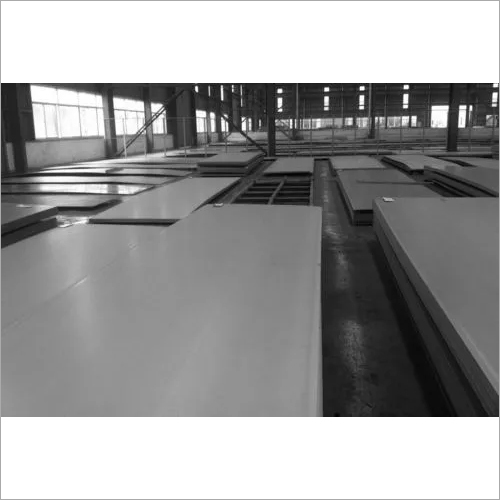
Aluminum plates have been machined to shape as well as make the skins of spacecraft fuel tanks as well as jets. These are used for storage tanks in assorted industries. In addition, these are used for holding cryogenic materials. Aluminum plates are suited for the storage tanks in assorted industries. Supplied plates can bear thesuper cold temperatures. The physical property of these platesare compatible with very-low-temperature materials.
High-Performance Aluminum Pattern PlatesOur diamond, checker, and tread aluminum plates are designed to provide robustness, excellent heat transfer, and versatile usability for global export markets. Manufactured from top-quality 6000 series alloys and tailored through hot- or cold-rolling processes, these plates offer outstanding durability and are suitable for a wide range of demanding settings, including marine, automotive, construction, and industrial platforms.
Customizable Dimensions with Reliable DurabilityAdaptable to your project needs, our aluminum plates come in customizable lengths, widths, and thicknesses. Standard sizes include 1220 mm x 2440 mm, but custom cuts are readily available to ensure a perfect fit. With a Brinell hardness of around 95 HB for 6061-T6 and superior resistance to corrosion, these plates maintain integrity and safety in rigorous environments.
Sustainable, Lightweight Solution for Modern ApplicationsEngineered for both longevity and sustainability, our pattern aluminum plates are fully recyclable and easy to fabricate and install. Their lightweight properties, high tensile strength, and anti-slip patterns make them practical for a range of applications, while their superb machinability and weldability simplify any custom fabrication needs you may have.
FAQ's of Aluminum Plate:
Q: How can aluminum pattern plates be used in various industries?
A: Aluminum pattern plates are commonly utilized in flooring, industrial platforms, transportation vehicles, marine applications, and decorative structures due to their anti-slip surface, corrosion resistance, and robust mechanical properties.
Q: What surface finishes and edge types are available for these aluminum plates?
A: The plates feature a diamond, checker, or tread pattern with smooth or anodized finishes, and are available with either straight cut or mill edges to suit different installation and fabrication requirements.
Q: When should I choose a specific grade or temper for my application?
A: The appropriate grade (such as 1060, 5052, 6061, or 6063) and temper (like T6, H14, or O) depend on your application's needs for strength, formability, or corrosion resistance. For example, 6061-T6 is ideal for high-strength requirements, while 5052 excels in marine environments.
Q: Where are these aluminum plates typically exported from and to?
A: As an exporter, importer, supplier, and trader based in India, we supply these plates to global markets spanning construction, marine, automotive, and industrial sectors, ensuring international standards and tailored logistics.
Q: What is the standard size and can the plates be customized?
A: The standard plate size is 1220 mm x 2440 mm, but both length and width, as well as thickness (from 1.2 mm to 6 mm), can be customized based on specific project requirements to provide an exact fit.
Q: How is the aluminum plate packaged for shipping?
A: Plates are typically packed on wooden pallets for protection and ease of transport, but packaging can be adjusted according to customer specifications to ensure safe delivery worldwide.
Q: What are the main benefits of using patterned aluminum plates over flat plates?
A: Patterned aluminum plates offer enhanced slip resistance for safety, improved load-bearing capacity, and aesthetic appeal, while maintaining characteristics like high heat conductivity, light weight, and full recyclability.


 Send Inquiry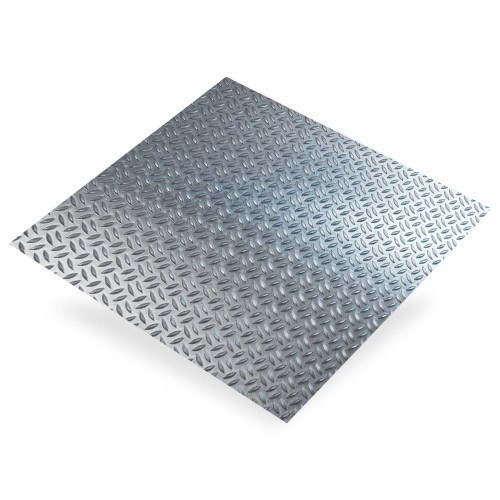

 Send Inquiry



 Send Inquiry
 Send Inquiry
 Send SMS
 English
 Spanish
 French
 German
 Italian
 Chinese (Simplified)
 Japanese
 Korean
 Arabic
 Portuguese